
You've spent months looking forward to your holiday. The countdown is finally over, the out-of-office is switched on, and you're finally ready to relax.
Then, within a day or two, you come down with a cold, your digestion feels unsettled, a cold sore appears on your lip, and instead of feeling refreshed you're exhausted, struggling to sleep and simply don't feel quite yourself.
If that sounds familiar, you're certainly not alone.
As a Nutritional Therapist, I hear this all the time. Many people assume it's just bad luck, but there's usually a perfectly good explanation. By the time we finally leave for our holiday, many of us have been working longer hours than usual, trying to finish every last task before we go away. Add in late nights packing, the stress of travelling, changes in routine - our bodies are being asked to cope with far more than we realise.
When we're under prolonged stress, our immune system becomes less resilient and our digestive system often doesn't function as efficiently. It's often only once we finally relax that our body seems to say, "Now it's my turn." That's why so many people develop a cold, notice changes in their digestion or simply feel run down during the first few days away.
The good news is that a little preparation can make a big difference. You don't need to spend your holiday worrying about every meal or saying no to the occasional cocktail or ice cream. Instead, by supporting your body with a few simple habits, you can enjoy everything your holiday has to offer while giving yourself the best chance of returning home feeling genuinely rested and refreshed.
After all, holidays are for making memories, discovering new places, trying local food and spending time with the people you love. My aim isn't to help you have the "perfect" holiday. It's to help you come home with wonderful memories, plenty of energy and feeling as though your holiday has done you good, rather than needing another week to recover.
Start Your Holiday Before You Leave Home
The best holidays don't begin when you arrive at the airport; they begin in the week before you travel.
I know that's often easier said than done. Many of us are trying to finish projects at work, organise the house, pack suitcases and make sure everyone else is ready before we've even thought about ourselves. It's no wonder we arrive at our destination already feeling exhausted.
If you can, think of the week before your holiday as part of your holiday preparation, not just your to-do list.
Rather than relying on takeaways because you're busy, continue eating balanced meals that include protein, fibre, colourful vegetables and healthy fats. Try to stay well hydrated, particularly if you're flying, and make sleep a priority where you can.
This isn't the time for a crash diet or an intense fitness regime in the hope of looking different in your swimwear. Your body will thank you far more for arriving well nourished, well rested and ready to enjoy everything your holiday has to offer.
The aim isn't simply to survive the journey; it's to arrive feeling healthy enough to make the very most of your time away.
Why holidays can temporarily change your gut
One of the things I find most fascinating is just how responsive our gut microbiome is. The trillions of bacteria that live within our digestive system are constantly adapting to the world around us, and that includes when we go on holiday.
In many ways, that's a good thing. Travelling exposes us to new foods, different cultures and even different microbes in the environment, all of which can help build a more diverse and resilient microbiome over time. The challenge is that holidays often bring together lots of changes all at once.
We're eating at different times, sometimes grazing throughout the day rather than allowing our digestive system to rest between meals. We might be enjoying more sugar and alcohol than usual, sleeping in unfamiliar surroundings, spending hours in air-conditioned airports and hotels before stepping into intense heat outside, and perhaps crossing several time zones in the process.
Even the season can be different. Escaping a British winter for tropical sunshine, or travelling somewhere with completely different plants, pollens and environmental microbes, gives your body a whole new set of experiences to adapt to. None of this is harmful; in fact, many of these experiences are part of what makes travelling so enjoyable. But they do mean your gut has a little more work to do while it adjusts.
The good news is that a few simple habits can help support that transition, allowing you to enjoy everything your holiday has to offer while still looking after the gut microbes that support your digestion, immune system and overall health.
Travel Well: The Journey is Part of the Holiday
One thing I always remind my clients is that your holiday starts the moment you leave home, not when you arrive at your hotel.
Whether you're driving to Cornwall or flying halfway around the world, your journey can have a big impact on how you feel during those first few days away. A little planning can make all the difference.
Think of your travel food as self-care
I never see taking your own food as a compromise. Quite the opposite. If you've prepared a nourishing lunch or packed some healthy snacks, you're giving your body exactly what it needs while you're travelling.
Airports have certainly improved over the years, but meals are often rushed, expensive and not always particularly satisfying. Having your own food means you're not relying on whatever happens to be available when you're tired or hungry.
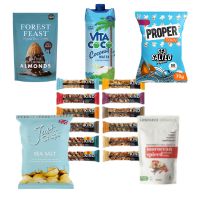
I always pack a few snacks such as mixed nuts, fruit/nut bars and lentil crackers. They're perfect if your flight is delayed, you're waiting for your luggage or there's a long transfer to your accommodation. We've all experienced that "hangry" feeling after a long journey, and having something nourishing to hand can make those first few hours much more enjoyable.
Hydration starts before you fly
The air inside an aircraft is incredibly dry, which is one of the reasons many people arrive feeling tired, sluggish and dehydrated.
Start drinking water before you board and continue throughout your journey. If you're travelling somewhere particularly hot, or you're planning an active holiday with lots of walking, cycling or sport, this is one of the few occasions when I do recommend electrolytes. They can help replace minerals lost through sweat and support hydration more effectively. Coconut water can also be a lovely natural way of topping up fluids and electrolytes once you've arrived.
If your holiday is more relaxed and you're simply heading off for some sunshine, water is usually all you need.
And as tempting as that glass of wine might be at 35,000 feet, I'd think twice. Flying is dehydrating enough without adding alcohol into the mix, and many people find they arrive feeling much fresher if they save their first holiday drink until they've reached their destination.
Could fasting make travelling easier?
This isn't something I'd recommend for everyone, but if you're travelling on a long-haul flight, there's some interesting research suggesting that avoiding food during the journey may help both digestion and adjustment to a new time zone.
Your digestive system has one less thing to deal with while you're sitting for long periods, and some researchers believe that timing your first meal with your destination's local time may help your body clock adapt more quickly.
If you do decide to try this, stay well hydrated and make sure you have some nourishing food ready for when you arrive. This isn't about restricting food; it's simply another tool that some people find helpful.
Turn your flight into a mini spa
Rather than seeing a long flight as something to endure, I treat it as a few hours where nobody can ask anything of me. I'll remove my make-up, apply a hydrating face mask, drink plenty of water, listen to a podcast or read my book and simply let myself switch off. By the time I land, my skin feels far happier than if I'd sat wearing make-up for ten hours in dry cabin air.
Comfort matters too. Loose clothing, cosy socks, an eye mask and a neck pillow can make a huge difference, particularly on overnight flights. I never travel without my eye mask and pillow spray. It helps me sleep on the plane and then comes straight into my suitcase for the rest of the holiday. Whether it's an early sunrise, unfamiliar mattress and pillows, it's those little things that helps me sleep well wherever I am.
Enjoy Yourself… Just Don't Abandon Everything
One of the biggest challenges with holidays is that people often fall into one of two camps:
Some become so focused on eating perfectly that they spend the entire holiday worrying about every mouthful. They avoid local specialities, skip desserts they genuinely wanted and return home missing out on some of the joys of holidays and travel.
Others swing completely the other way and abandon every healthy habit they've built throughout the year. Breakfast becomes pastries, lunch becomes pizza and ice-cream, afternoon becomes cocktails and snacks, dinner becomes a huge buffet followed by dessert, with very little water or movement in between.
The sweet spot lies somewhere in the middle.
The reality is that your body doesn't know you're on holiday. It still appreciates good food, movement, hydration and sleep. Equally, it isn't going to be harmed because you enjoyed a fresh gelato in Italy, churros in Spain or an amazing dessert overlooking the sea. Relax a little, enjoy yourself, but keep enough of your healthy routines that your body continues to support you throughout the holiday.
Eat the Local Food
One of the greatest pleasures of travelling is experiencing how other cultures eat.
Fresh seafood by the coast, colourful Mediterranean salads, grilled vegetables, olives, local cheeses, beautiful seasonal fruit and slow-cooked traditional dishes often provide exactly the sort of balanced meals we encourage at home.

Be adventurous.
Try something you've never eaten before.
Share dishes.
Visit local markets.
Food is one of the best ways to experience another culture. Some of my favourite holiday memories involve sharing local dishes that I'd never cooked at home. Be curious, ask for recommendations and don't be afraid to try something new. You might just discover a new favourite recipe to bring home with you.
Build Your Breakfast Around Protein and Fibre
Breakfast buffets can be wonderful… and slightly overwhelming.
Build your breakfast around protein and fibre first. Eggs, Greek yoghurt, smoked salmon, nuts, seeds and fresh fruit provide steady energy that lasts throughout the morning and helps keep your blood sugar more stable. If you then fancy sharing a pastry or enjoying a croissant afterwards, that's absolutely fine. Starting with protein and fibre simply gives your body a steadier foundation for the day ahead.
Begin Meals with Something Green
A simple salad or vegetable starter helps stimulate digestive juices, provides valuable fibre for your gut microbes and naturally encourages you to slow down before the main course arrives. It's a small habit, but one that often leaves people feeling noticeably less sluggish after larger holiday meals.
Don't forget healthy fats either. A drizzle of extra virgin olive oil over vegetables or salad not only tastes wonderful but also helps your body absorb many of the beneficial plant compounds that support gut and overall health.
Hydration Matters More Than You Think
If there is one habit that makes the biggest difference to how people feel on holiday, it's hydration. Dehydration doesn't just make you feel thirsty. It can contribute to headaches, constipation, fatigue, poor concentration and low energy, making it much harder to enjoy your holiday.
Water should always be your first choice, and I often suggest alternating alcoholic drinks with a glass of water. Your body will thank you the following morning. Coconut water can also be a useful option, particularly in hotter climates, as it naturally contains electrolytes including potassium.
People often ask me about electrolyte supplements. Most of the year, I don't routinely recommend them because for the average person eating a balanced diet and drinking enough water, they simply aren't necessary. Holidays are one of the few exceptions.
If you're spending long days walking, cycling, playing tennis, golfing, hiking, or simply holidaying somewhere extremely hot where you're sweating much more than usual, electrolytes can be a sensible addition. They help replace minerals lost through sweat and support your body in using the water you're drinking more effectively. Otherwise, focus on drinking enough water throughout the day and listening to your thirst.
Give Your Gut Time to Do Its Job
One thing that often changes on holiday is how frequently we eat.
Breakfast rolls into pool snacks, then ice cream, cocktails, lunch, afternoon treats, dinner and dessert, often with very little break in between. Occasional indulgence is absolutely part of enjoying a holiday, but constant grazing doesn't give your digestive system much opportunity to rest.
Your gut has its own housekeeping system, known as the migrating motor complex, which works between meals to help move food residues and bacteria through the digestive tract. Giving yourself three or four hours between meals whenever possible allows this process to do its job and often helps reduce bloating and sluggish digestion.
Keep Moving (Without Calling It Exercise)
Holiday movement doesn't need to involve a gym. In fact, some of the best movement happens naturally. Explore the old town on foot, wander around local markets, take a morning swim or join a beach yoga class. Even a gentle walk after dinner supports digestion, blood sugar balance and gut motility while allowing you to slow down and enjoy your surroundings.
Protect Your Sleep
Many people sleep differently on holiday, and that's perfectly normal. Your brain naturally becomes a little more alert when you're sleeping somewhere unfamiliar. Add a warmer bedroom, later meals, alcohol, different time zones or simply staying up chatting on the balcony, and it's easy to understand why you may feel more tired after a few days away.
Simple things such as keeping your bedroom cool, wearing an eye mask, using earplugs if needed and avoiding very heavy meals immediately before bed can make a significant difference.
Morning daylight is equally important. Getting outside as soon as you can after waking is one of the strongest signals for your body's internal clock. It helps regulate your natural cortisol rhythm, supports energy levels throughout the day and encourages better sleep the following night.
If you've had an early flight or a particularly busy day exploring, an afternoon nap can be lovely. Just try to keep it to around 20-30 minutes. Sleeping for several hours during the afternoon often leaves people feeling groggy and can make it much harder to fall asleep later that evening.
Listen to your body
If you're genuinely hungry, eat. If you're thirsty, drink. If you're tired after a busy day exploring, have an early night. Holidays are often one of the few times we have the opportunity to tune back into what our body is asking for rather than constantly rushing from one thing to the next.
Come Home Feeling Better Than When You Left
Holidays should leave you feeling refreshed, not feeling as though you need another week to recover.
The aim isn't to eat perfectly or stick rigidly to every healthy habit you've built at home. It's to support your body enough that you have the energy to enjoy everything your holiday has to offer.
Eat the local food. Enjoy the ice cream. Have the occasional cocktail. Swim in the sea. Walk through markets. Stay out watching the sunset.
Just remember that your body is on holiday with you too. A little planning before you leave, a little extra hydration while you're away, plenty of colourful food, movement and good sleep can make a remarkable difference to how you feel - not only during your holiday, but when you get home as well.
One of my favourite tips is to think about your return home before you've even left. I always plan a few simple meals for the first couple of days back and book my online food shop to arrive shortly after I get home. After travelling, unpacking and catching up on washing, the last thing I want to do is wander around a supermarket wondering what to cook for dinner. Having a fridge full of nourishing food waiting for you makes slipping back into your normal routine so much easier and takes away one more thing to think about.
After all, healthy habits aren't just for everyday life; they're there to help you enjoy life's special moments too.
Planning your next trip?
I've created a list of the supplements and travel essentials I personally pack when I go away, including the digestive support, hydration products and other items I recommend to many of my clients. You can find my Holiday Packing List and remember Natural Dispensary offers all my clients a 10% discount using code WHILL10