I didn’t become a Nutritional Therapist because I had always planned to work in health. It began with curiosity around what really drives our health. Why do some people seem to age well while others develop health problems much earlier? Why are some people frequently unwell, while others appear much more resilient?
I knew food was part of the answer, but I also knew it wasn’t the whole story.
After leaving the family business where I had worked for many years, I wasn’t sure what I wanted to do next. I took my first nutrition course because the subject genuinely interested me, rather than because I had a carefully planned new career in mind.
Turning complicated science into something useful
The more I learnt, the more I wanted to share that knowledge with other people. There is a huge amount of information about health and nutrition available, but more information does not necessarily make people feel better informed.
One expert tells you to eat breakfast, while another tells you to fast. One person recommends reducing carbohydrates, while someone else encourages you to eat more plants. Then there are supplements, wearable devices, health tests and an endless stream of advice on social media. It can be overwhelming, and I realised there was space for someone who could take all that noise and make it simple.
I translate the science into practical guidance and then help each person decide what is relevant to their body, their health and their life. What I’ve realised through my training is that we are all different, so nutrition should never be about rigid ‘rules’, but about nuance and adaptation.
Why I always come back to the foundations
I work predominantly with people in mid-life. Some already have a health concern they know they need to address. Others feel reasonably well but have seen friends or family members become unwell and want to protect their own health for the future.
They may be experiencing digestive problems, fatigue, poor sleep or hormonal symptoms. Sometimes they simply know they don’t feel as well as they could, but they aren’t sure why or where to begin.
Whatever brings someone to me, I nearly always start by looking at the foundations: food, gut health, sleep, stress and movement. It's easy to overlook these basics because they don’t sound particularly exciting. It is tempting to search for the latest supplement, test or health trend, but the fundamentals are what give us something solid to build upon.
But honestly, think about it like this - there is little point enrolling on a Cordon Bleu cookery course if you haven’t yet learnt how to boil an egg or shop for the ingredients. Health works in much the same way.
Before we look for complicated solutions or spend a fortune on testing and supplements, helping someone get the basics right can be unbelievably powerful. This might mean ensuring they are eating enough protein and fibre, including a variety of colourful plant foods, moving regularly, sleeping well, taking care of their gut and allowing their body time to recover from stress. These things may sound basic, but they are the foundations of good health.
Why gut health is central to my work
Gut health is one of my main areas of interest because it can influence so many other parts of the body.
Our digestive system doesn’t simply break down food. The gut microbiome - the community of microorganisms living within the digestive tract - interacts with the immune system, metabolism and hormone regulation. It can also influence inflammation and the production of certain neurotransmitters involved in mood.
When I work with someone, I might look at their digestive symptoms, bowel habits, food choices and the diversity of their diet. I also consider what else is happening in their life, because stress, sleep and activity levels can all affect digestion too. It comes back to recognising that the body is interconnected rather than treating each symptom as though it exists in isolation.
Where testing can help
Although strong foundations are always important, sometimes testing helps us understand where somebody may need more targeted support.
Blood tests and functional tests can highlight particular nutrients that need attention or areas of the body that may be under pressure. They might suggest that someone’s vitamin D, iron or B12 levels need further investigation, or help us take a closer look at metabolic, liver, immune or digestive health. Testing, when considered alongside symptoms, diet and lifestyle, can provide another useful piece of the puzzle.
I don’t believe in testing simply for the sake of collecting more numbers. It should help us focus our attention and make more informed decisions about what to do next.
What my work really looks like
There is no completely ordinary week in my business, which is one of the things I enjoy about it.
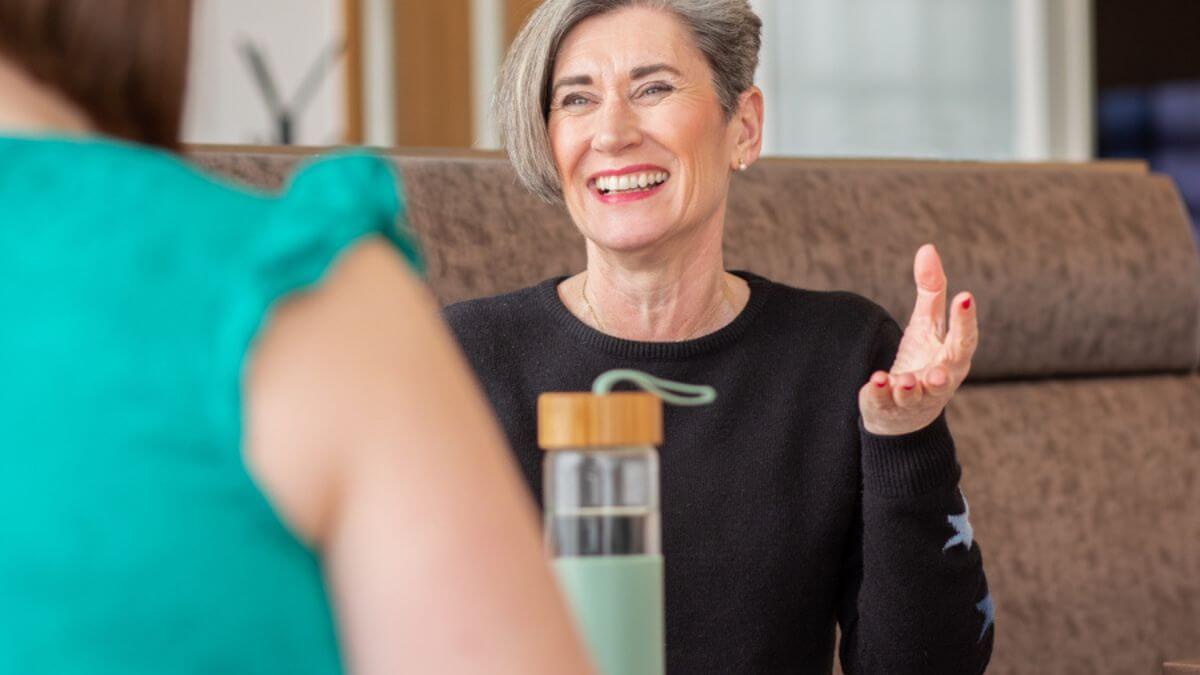
I spend time in one-to-one consultations, listening to clients and helping them understand what may be contributing to the way they feel. I interpret test results, research more complex cases and turn everything we have learnt into realistic recommendations.
Supporting my members gives me so much joy. I also write articles, record my podcast and deliver talks and presentations.
And I cook - a lot! Even when I’m not officially developing a recipe, I’m usually thinking about food and how to make meals more nourishing without making them difficult or unappealing. Healthy food still needs to be enjoyable. If nobody wants to eat it, it isn’t a particularly practical recommendation.
The part I love most
The most rewarding part of my work is when someone begins to feel better and realises that the changes they have made are ones they genuinely want to continue.
Sometimes they tell me they have woken up feeling better than they have in months. Perhaps they have cooked a new meal that the whole family enjoyed, or made different choices on a night out and discovered they could still have a lovely time. Often, they are surprised by how easy it has felt.
People sometimes come to me expecting to be given a difficult diet and a long list of foods they can never eat again. What I want is for them to understand which choices support their health and to find ways of making those choices fit naturally into their lives. That is where coaching becomes so important. Knowing what might help is one thing; finding a realistic way to do it is another. The same recommendation will not work for everybody, so I need to be able to adapt it to the individual.
I know I have made a genuine difference when someone doesn’t just feel better at the end of a programme, but feels confident that they can maintain what they are doing. They aren’t waiting for the programme to finish so they can return to their old habits. They understand the impact their choices have on their health, they have experienced the benefits for themselves and their new habits feel like part of who they are.
It no longer feels like a diet; it is simply how they live.
Why I still do what I do
I do this work because understanding your body can be incredibly empowering.
When people know why they feel better, they can make decisions with greater confidence. They are no longer blindly following a plan or relying on willpower; they can see the connection between what they do and how they feel. My job isn’t to make somebody’s life revolve around being healthy. It is to make looking after their health feel easier, more personal and more achievable - so they can enjoy their life with more energy, confidence and resilience.
That is why I do what I do.