Maybe you’ve heard someone mention phytoestrogens – it might even have been me – and wondered what on earth they were, and whether you should be eating more of them.
Phytoestrogens are naturally occurring plant compounds that can interact with oestrogen receptors in the body, which makes them particularly interesting during perimenopause and menopause when oestrogen levels are changing. But their potential benefits go beyond hormone balance, with research also exploring their role in bone and cardiovascular health.
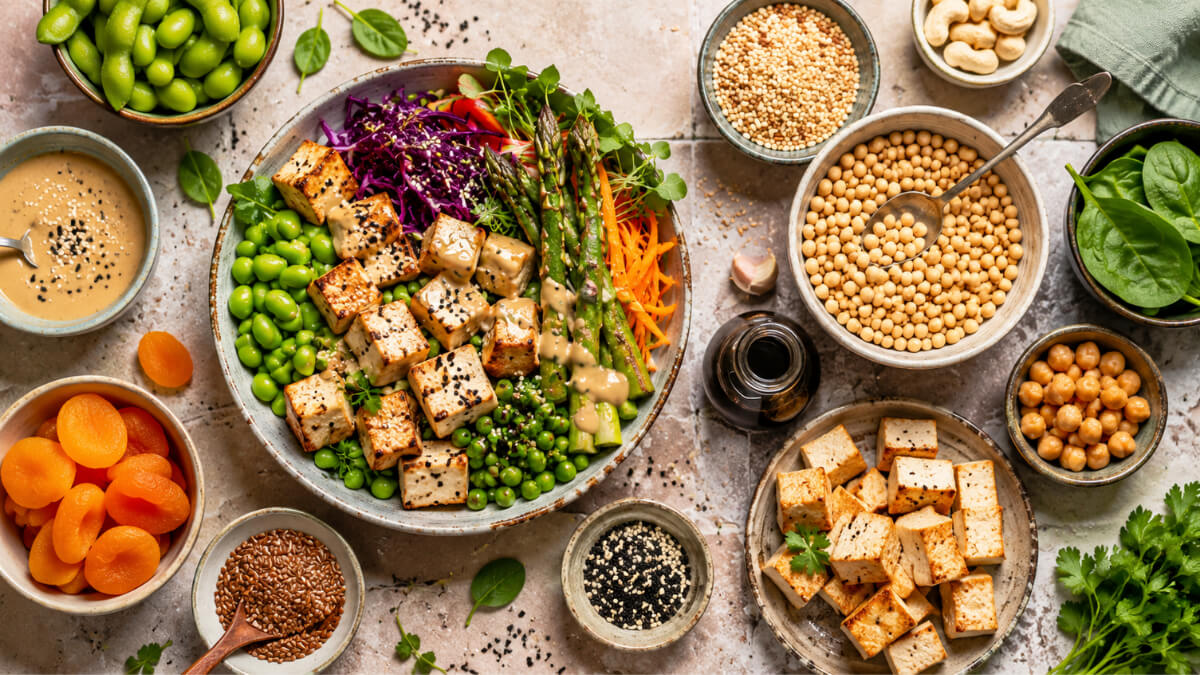
The good news is that phytoestrogens are found in plenty of everyday foods, including flaxseeds, soya and sesame seeds. In this article, I’ll explain what they are, what the research tells us and, most importantly, some simple ways to include more of them in your diet.
What Are Phytoestrogens?
The word ‘phyto’ means plant, and phytoestrogens are naturally occurring compounds found in certain plant foods. Their structure is similar to our own oestrogen, which means they can interact with oestrogen receptors in cells throughout the body.
Their effect is much weaker than the oestrogen our bodies produce, but interestingly, phytoestrogens can have both pro- and anti-oestrogenic effects. Put simply, this means they can either gently increase oestrogen activity within a cell or reduce the effect of our own stronger oestrogen. This can help to balance oestrogen activity in the body, rather than simply increasing oestrogen levels. It’s this balancing effect that makes phytoestrogens particularly interesting when we’re talking about female hormone health.
There are several different types of phytoestrogens, but two you’re most likely to come across are isoflavones, found particularly in soya foods such as tofu, tempeh and edamame, and lignans, which are especially abundant in flaxseeds.
Oestrogen is an important hormone throughout a woman’s life, not just during perimenopause and menopause. It has roles in everything from our reproductive health to our bones, brain and cardiovascular system, which is why supporting healthy oestrogen activity is about far more than simply managing menopause symptoms.
How Can Phytoestrogens Support Female Health
Research suggests that phytoestrogens may play a role in:
- Menopausal Symptoms – Soy isoflavones have been widely studied for their potential to reduce hot flushes and other menopausal symptoms. One systematic review and meta-analysis of 17 trials found that soy isoflavones significantly reduced both the frequency and severity of hot flushes which is another reason for regularly including phytoestrogen-rich foods in your diet. If you'd like to explore this more here are my 5 Secrets to a Happy Healthy Menopause.
- Supporting Bone Health – Oestrogen plays an important role in maintaining our bones, which is one reason bone density can decline after menopause. Research suggests that soy isoflavones may have a beneficial effect on bone mineral density, although they should be considered alongside the other foundations of healthy bones, including protein,
- Protecting heart health – Our cardiovascular risk increases after menopause as the protective effects of oestrogen decline. Soya foods in particular have been associated with improvements in cholesterol levels and cardiovascular health. Edamame, for example, provides isoflavones alongside plant protein and fibre, making it a great food to include regularly as part of a varied diet.
- Supporting gut health and oestrogen metabolism – Many phytoestrogen-rich foods are also excellent sources of fibre, which feeds our beneficial gut microbes. Our gut microbiome is involved in the way we metabolise and recycle oestrogen, so looking after our gut is another important part of supporting healthy hormone balance.
Best Food Sources of Phytoestrogens & How to Include Them in Your Diet
Phytoestrogens are found naturally in a wide variety of plant foods, so including more of them doesn't require a complicated diet. And because these foods also provide fibre, protein, healthy fats, vitamins, minerals and other beneficial plant compounds, you'll be supporting far more than your hormones.
Top Phytoestrogen-Rich Foods:
- Flaxseeds (linseeds) – one of the richest sources of lignans. I recommend eating them ground, rather than whole, so your body can access more of their beneficial compounds. They also provide fibre and plant-based omega-3 fats.
- Soy Products (Tofu, Edamame, Tempeh) – are some of our richest dietary sources of isoflavones. They're also excellent sources of plant protein, making them a really useful addition to meals.
- Sesame Seeds and tahini – another good source of lignans, as well as providing healthy fats and minerals including calcium, which is particularly important for maintaining bone health as we age. Tahini is an easy way to include sesame regularly and works brilliantly in dressings, dips and sauces..
- Dried Fruits (Dates, Prunes, Apricots) – useful sources of phytoestrogens, particularly lignans. They also provide fibre and a range of minerals and plant compounds. Dried apricots are one of my favourites and are an easy addition to breakfast, or a handy snack alongside a few nuts.Natural, portable sources of phytoestrogens and antioxidants.
- Cruciferous Vegetables (Brussels Sprouts, Kale, Cabbage, Broccoli) – Not only phytoestrogen-rich but also support hormone detoxification.
- Wholegrains and pulses – foods such as oats, barley, lentils, chickpeas and beans contain smaller amounts of phytoestrogens but can make an important contribution when they're eaten regularly.
Easy Ways to Add More Phytoestrogens to Your Diet
- Stir ground flaxseeds into yoghurt, porridge or overnight oats.
- Swap frozen peas for edamame beans in stir-fries, soups and salads.
- Sprinkle sesame seeds over meals or use tahini in dressings and dips. A
- dd dried apricots to breakfast, or enjoy a few with nuts.
- Experiment with tofu or tempeh – both are brilliant at soaking up the flavours of marinades and sauces.
Want More Recipe Ideas?
Knowing which foods to eat is one thing, but knowing what to do with them is another! I’ve put together a free collection of Hormone Balancing Recipes featuring some of these foods, with simple ideas to help you include more hormone-supportive ingredients in your everyday meals. Click here to download
What if you need more support?
Phytoestrogen-rich foods can be a really useful addition to your diet, but hormone health is about much more than one group of foods. Your gut health, blood sugar balance, stress, sleep, movement and overall nutritional status can all influence how you feel, particularly during perimenopause and menopause.
If symptoms are affecting your day-to-day life, or you simply feel that something isn’t quite right, this is where a more personalised approach can be helpful. Rather than simply trying another supplement or removing more foods from your diet, I look at the bigger picture and help you understand what might be contributing to your symptoms.
If you’d like to find out whether nutritional therapy could help you, you can book an introductory call with me to talk about what’s going on and the different ways I may be able to support you.
Final Thoughts: Embracing Phytoestrogens for Hormonal Health
Phytoestrogens aren’t a magic solution for hormone balance, but they are a great example of how the foods we eat regularly can influence our health. And because foods such as flaxseeds, soya, sesame seeds, pulses, fruit and vegetables bring so many other nutritional benefits, there are plenty of reasons to include them in your diet.
You don’t need to change everything at once. Start by adding a spoonful of ground flaxseed to your breakfast, swapping peas for edamame occasionally, trying tofu or tempeh in a stir-fry, or adding a drizzle of tahini to your vegetables.
Small changes, repeated regularly, are often where the biggest difference begins.